
2026-08-17
Is There Such a Thing as a Truly Cheap LMS Solution?
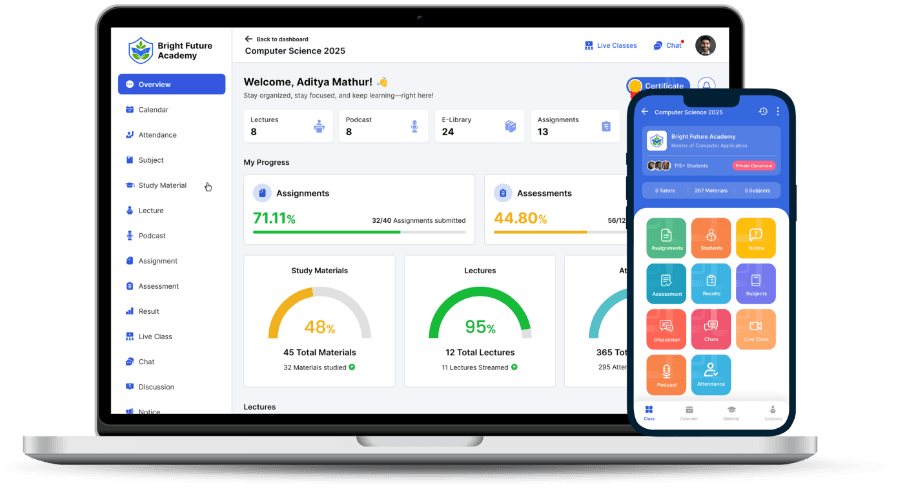
"Cheap LMS solution" is one search query that hides two completely different questions. One person means: is there a platform priced low enough for a small institute's actual budget, that still does the job properly. Another means: is there a way to run an LMS for close to nothing. Those aren't the same question, and confusing them is how institutes end up paying more than they expected, either in cash or in staff time.
This matters most for institutes with the tightest budgets, since they have the least room to absorb a cost they didn't plan for. The distinction below is meant to be a practical filter, applied to any vendor's pricing page, not a verdict on any specific product.
Two Different Meanings of "Cheap"
Genuinely Affordable, Capably Priced
This is a managed vendor's subscription priced for small institutes: a low starting price that grows with the institute, with hosting, security, and support already included. It's cheap in the sense that matters: the number on the invoice each month is close to the real total cost of running the platform, because there's nothing hidden behind it.
"Free" With Hidden Costs
This is self-hosted, open-source software with no license fee. It's genuinely free to download. It is not free to run: server hosting, a domain and SSL certificate, someone to apply security patches, and plugins to cover missing features all cost real money or real staff time. None of that appears on the download page, which is exactly why this category gets mistaken for the first one.
What This Category Looks Like in Practice
The Academix's Basic Campus plan is built for exactly this category. It starts from ₹1,500/month for institutes usually between 15 and 99 students, and hosting, security, updates, support, and the core teaching features (courses, assessments, attendance, and reports) are part of the plan rather than billed back separately. The exact figure is quoted directly once your student count and requirements are known, rather than published as one number meant to fit every institute's size.
What Makes the Free Category More Expensive Than It Looks
Take a similarly small tutoring center running a self-hosted open-source LMS instead. The license itself costs nothing. But hosting a small install typically runs a real monthly fee on its own, and that's before accounting for whoever configures the server, applies updates, and troubleshoots when something breaks. If that's a paid developer or IT contractor, even a few hours a month at a normal hourly rate can exceed what the managed platform would have cost outright. If it's a staff member doing it alongside their actual job, the cost shows up as their time, not as an invoice, which makes it easy to undercount, but doesn't make it free.
A Third Category Worth Naming: Free Tiers With Growth Caps
Some vendors offer a genuinely free tier of a paid product, not the open-source model, capped at a small number of students or a limited feature set. This is a real, useful option for a school or tutor small enough to fit inside the cap, and it's honest about being a starting point rather than a permanent solution. The cost shows up later: once a school outgrows the cap, the jump to a paid plan is often steeper than it would have been starting on a low-tier paid plan from day one, because the vendor priced the free tier to convert, not to be permanently sustainable at scale.
None of this makes free tiers a bad choice. It just means the label "free" is doing different work in this category than in open-source software. Here it usually means "free while small," not "free indefinitely," and it's worth reading the pricing page for what happens above the cap before enrollment grows past it.
Four Questions That Tell the Categories Apart
- Whether the quoted price includes hosting is worth confirming first: if hosting is a separate line item you'll need to shop for yourself, the number you're comparing isn't the full cost
- Who applies security updates, and whether they're already doing this for other systems, is worth naming upfront, rather than leaving it as "someone will figure it out" and calling that a solved problem
- What happens when a needed feature isn't included is worth checking too: a managed platform either has it or doesn't, while a self-hosted platform usually means finding, installing, and maintaining a plugin, itself an ongoing cost
- The total for your actual student count is worth adding up honestly: get the managed price for your real enrollment in writing, then separately add up hosting plus a realistic estimate of maintenance time for the self-hosted option, before comparing the two totals side by side
So, Is There a Truly Cheap LMS?
Yes, in the sense that matters to a budget-conscious institute: managed pricing that starts low and grows with the institute is a real, genuinely affordable category, not a marketing claim. What doesn't exist is a version of "cheap" with no cost anywhere in the system. Open-source software moves the cost from a monthly invoice to hosting bills and staff time, and that shift can be the right trade for an institute with existing technical capacity to absorb it. For an institute without that capacity, the honest total cost of "free" software is often higher than a low, transparent managed subscription, which is the category worth checking first, and the one worth checking the actual math against before deciding.
The only way to know your actual number is to share your student count and requirements directly: book a demo or get in touch, and you'll get an exact quote for your institute rather than a range that may not apply to your size.
See What It Actually Costs For Your Institute
Share your student count and requirements, and get an exact quote back, not an estimate.
Book a demo