
2026-08-17
Signs Your Institution Has Outgrown Moodle
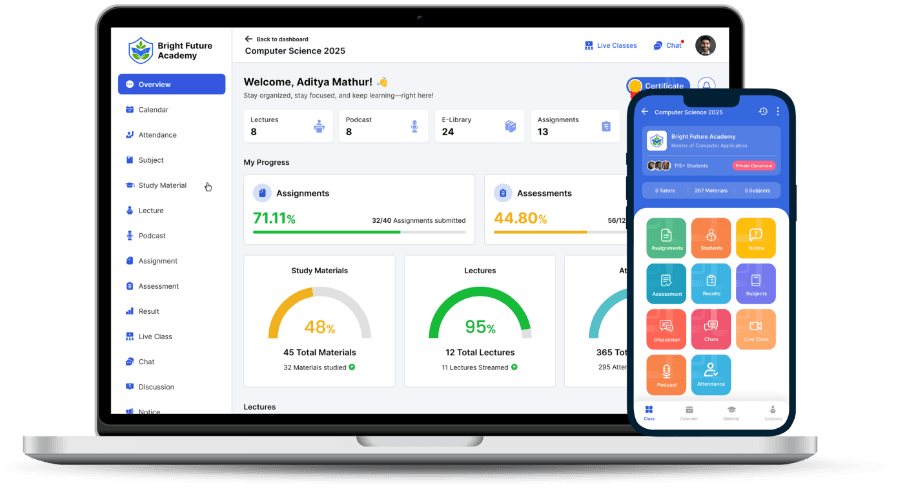
Outgrowing an LMS doesn't usually happen in a single dramatic moment. It shows up gradually, in IT time that keeps expanding, workarounds that keep accumulating, and small frustrations that quietly become normal. Here are the signs worth checking against your own institution.
Sign 1: IT Time Now Exceeds Teaching-Support Time
If the person or team responsible for your LMS spends more hours patching, troubleshooting, and configuring than they spend helping teachers and students actually use the platform, the balance has tipped. An LMS is supposed to support instruction. When keeping it running becomes the primary job, it's worth checking whether that ratio would look different on a platform built to need less of that time.
Sign 2: Plugin Sprawl You Can No Longer Fully Track
A handful of well-chosen plugins is normal. A list of plugins nobody can fully account for, where removing or upgrading any one of them carries uncertain risk because no one remembers exactly why it was added or what depends on it, is a sign the platform has grown past what your current process can manage.
Sign 3: Losing Institutional Moodle Knowledge to Staff Turnover
If configuration decisions, plugin choices, and workarounds live in one or two people's heads rather than in documentation, every departure becomes a real operational risk. A new hire rediscovering years of undocumented decisions by trial and error is a sign the platform has become dependent on specific individuals rather than a stable, transferable process.
Sign 4: Every Update Feels Risky
If your team dreads or delays version upgrades because past ones have broken plugins or workflows, that's a sign the platform's maintenance burden has outgrown your capacity to manage it safely. A healthy setup treats upgrades as routine, not high-stakes events that need a weekend set aside just in case.
Sign 5: Staff and Students Routinely Work Around the Platform
When teachers keep grades in a separate spreadsheet just in case, or students default to a WhatsApp group instead of the LMS forum, that's a sign the platform isn't fitting the actual workflow anymore, whatever the underlying reason. Workarounds that become permanent habits are worth investigating rather than accepting as normal.
Sign 6: The Cost No Longer Matches the Value You're Getting
Free software with mounting hosting, staff, and consultant costs can end up costing more, in money and time, than a straightforward subscription that already includes hosting, support, and updates. If nobody at your institution could currently state your real all-in Moodle cost with confidence, that's itself a sign worth acting on.
Sign 7: You're Paying a Consultant Just to Feel Safe
Bringing in a Moodle partner for a specific project, a migration, a custom integration, is normal and often the right call. Retaining one indefinitely, not for active project work but because nobody on staff trusts the platform enough to touch it without supervision, is a different situation. That ongoing retainer is effectively an admission that the platform has outgrown your team's comfort level, priced as a recurring cost rather than acknowledged as one.
Sign 8: Growth Plans Keep Getting Scoped Around the Platform
If new initiatives, a new branch, a new course format, a new assessment type, routinely get scaled back or reshaped specifically because of what the current Moodle setup can support without a large project behind it, the platform has quietly started setting the ceiling on institutional growth rather than supporting it. That's worth noticing before it becomes the default way decisions get made.
Quick Checklist
- IT time spent on the platform now exceeds time spent supporting teaching
- Nobody can list every installed plugin and confirm what depends on it
- Platform knowledge lives with one or two people, not in documentation
- Version upgrades are dreaded or repeatedly postponed
- Staff or students maintain workaround tools instead of using the LMS directly
- Nobody can state your real, current, all-in Moodle cost
- A consultant retainer exists mainly so staff feel safe, not for active project work
- New initiatives get scaled back specifically because of what the platform can support
Signs That Point the Other Way
It's worth being equally honest about the opposite case. If your institution has a stable IT team, plugin choices that are documented and actively maintained, upgrade cycles that run on schedule without drama, and staff who can name their real Moodle cost without checking, none of the signs above apply, and switching platforms would likely trade a working system for an unfamiliar one. This checklist is a diagnostic, not a verdict against Moodle itself.
What to Do If Several of These Sound Familiar
One or two of these signs on their own aren't unusual. Three or more, consistently, over more than a term or two, are worth a real evaluation rather than another workaround. That evaluation doesn't have to end in switching platforms. It should end in an honest answer about whether your current setup still fits your institution's size and technical capacity.
The evaluation itself is worth doing on paper, not just in conversation: list which signs apply today, estimate the IT and admin hours going into the platform each month, and price out what those hours could otherwise support. A written answer holds up better than a gut feeling the next time the question comes up, whether that's next term or next year.
Our /academix-vs-moodle page walks through that comparison directly, including starting prices by institution size, and /moodle-alternative-for-coaching-institutes covers what the switch looks like specifically for batch-based coaching and training institutes.